

Get Started
Create a business account and launch your own media network on Genuin: generative video, embeddable players, and engagement infrastructure, in five steps that stay the same from a solo podcaster to a national retailer.
Prepared for you
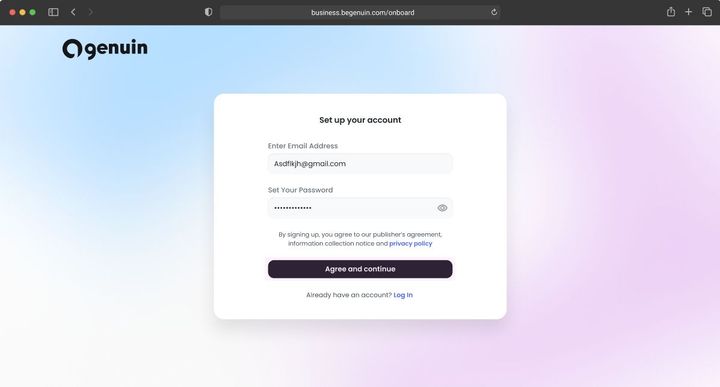
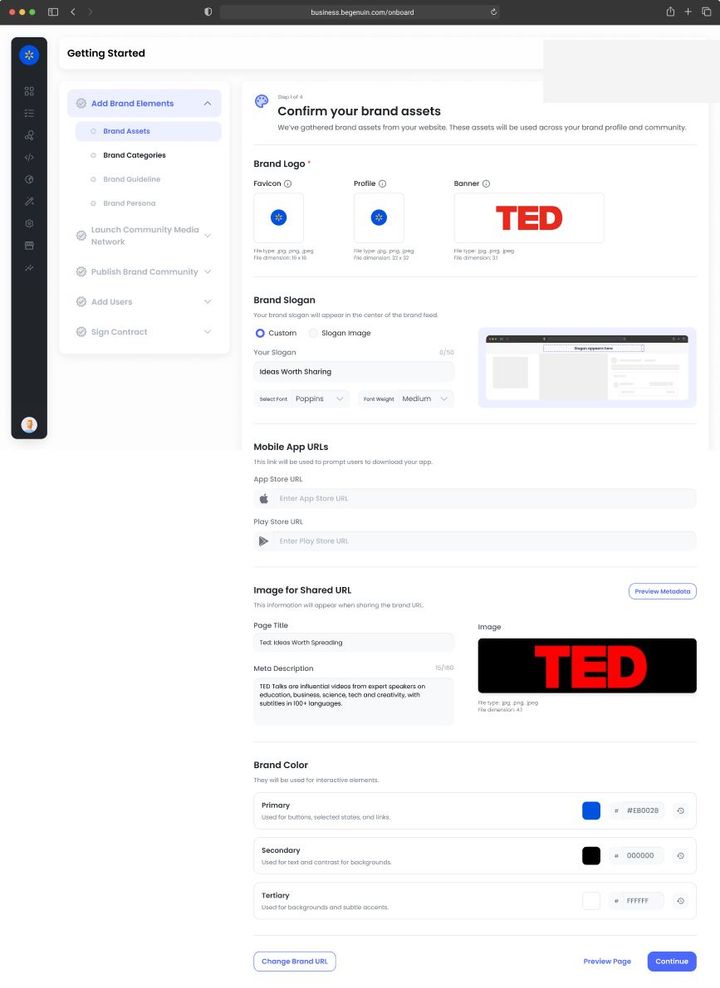
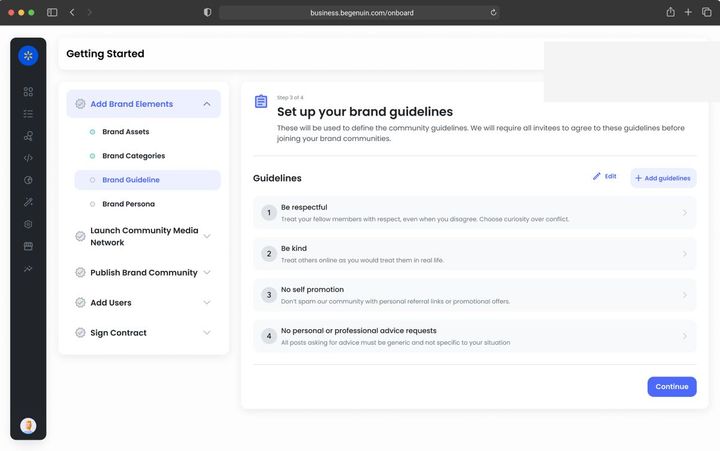
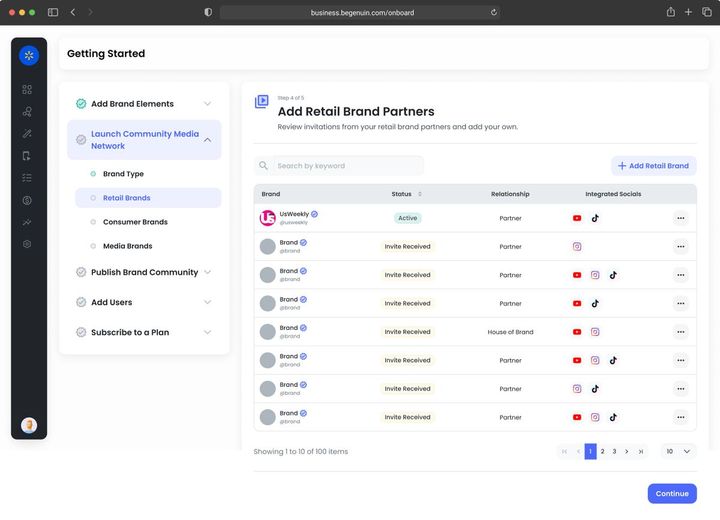
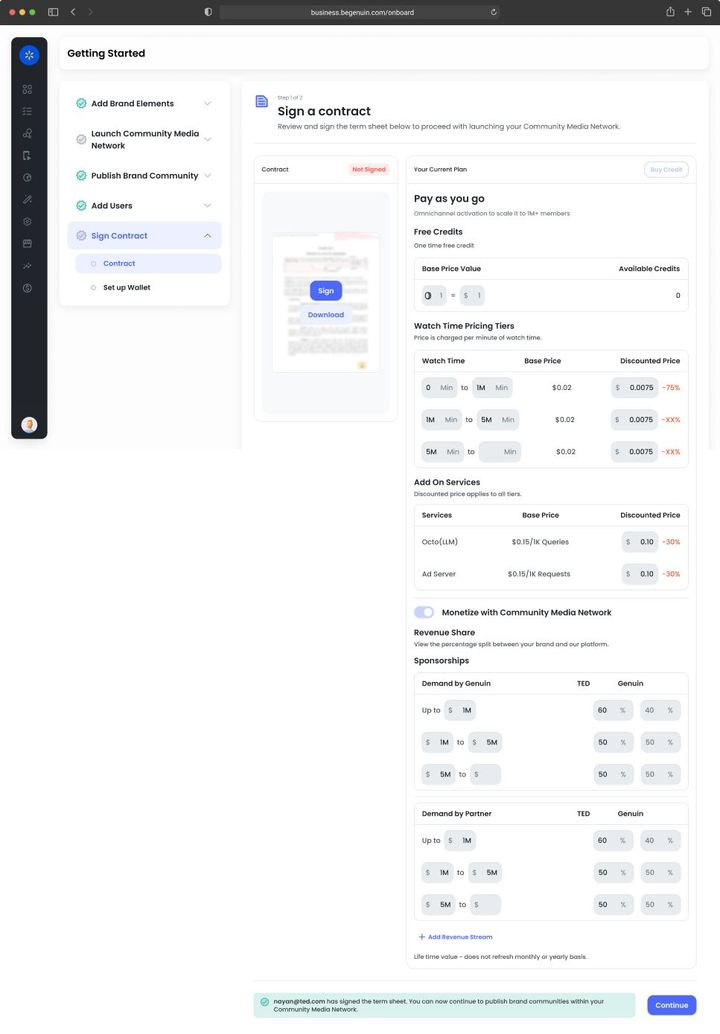
Brand kit, grid, hub, feeds, partners, and agreement are drafted from your site and shown rendered; you confirm, edit, or decline each one.
Add context
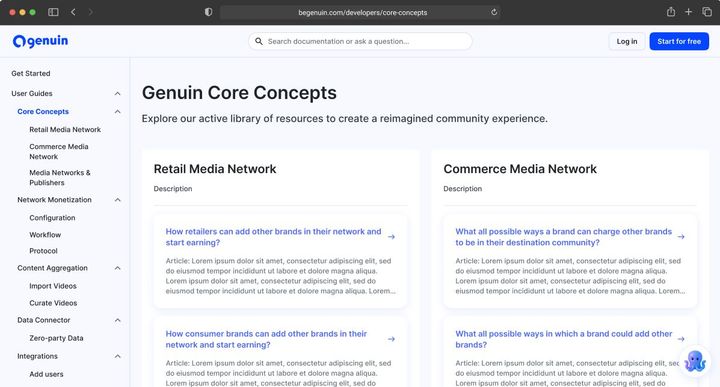
Connect the website crawler and add guidelines, audience notes, catalog, partner rules, and policies; every proposal gets closer to what you would have built.
24/7 support on every plan
Ask in plain language from BCC or any docs page; an account manager, developer, or Ops engineer joins the thread when a person is needed.
Everything by API and SDK
Create and operate a Business Account programmatically: OAuth for partners, keys for owners, and every product as a resource. Each article ends with its calls.
Add Brand Elements
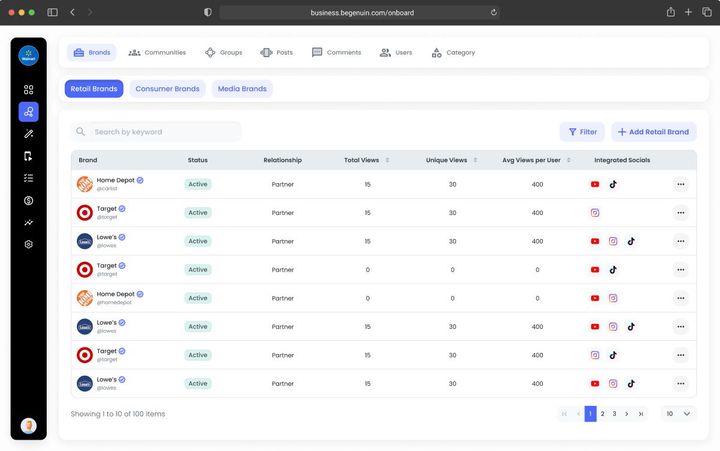
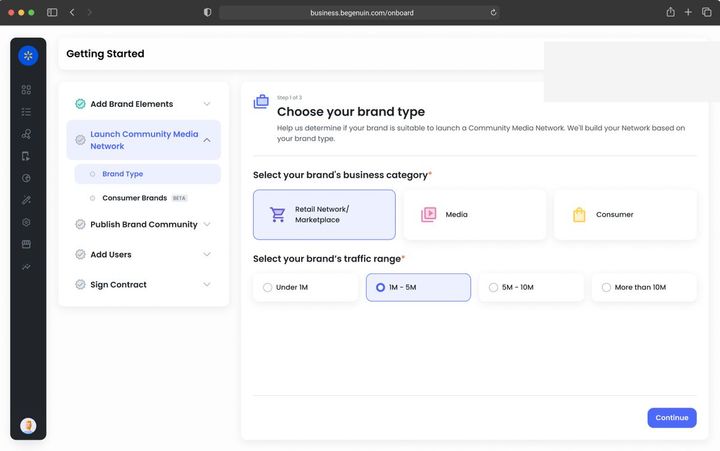
Launch Media Network
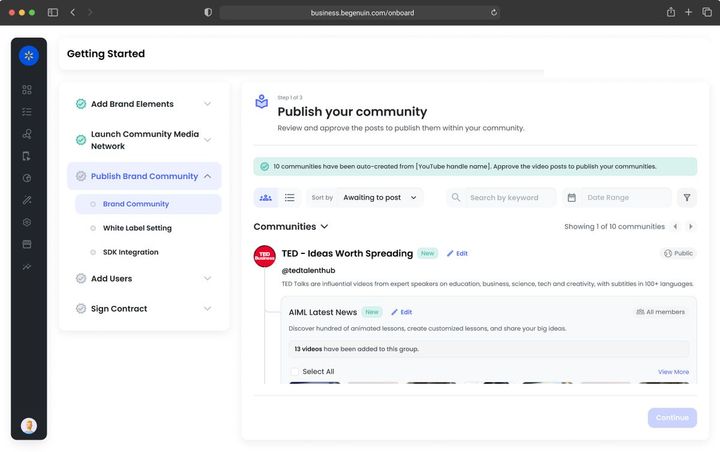
Publish Brand Community
Add Users
Sign Contract
Get started by use case
4 of 26 paths · each sets the selectors and opens the first article
Common use cases
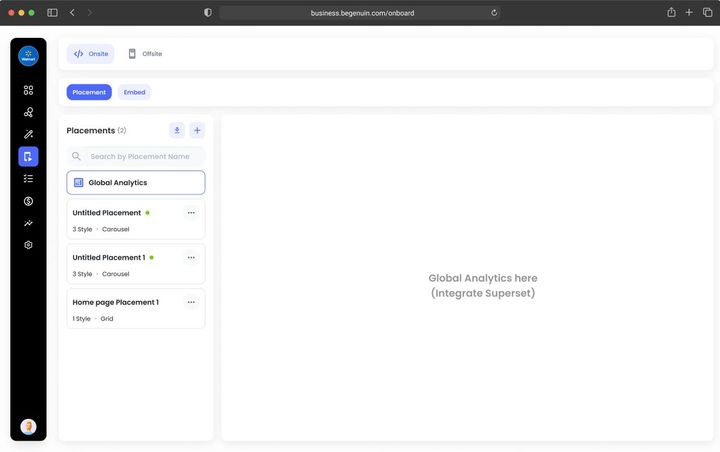
 Onsite
 puts generative video on your own site and apps, placed by page context and ranked per viewer, to lift session length, return rate, and lifetime value.
Read now Offsite
 packages your video as IAB-standard tags for any media plan, DSP, or partner ad server, measured on return on ad spend and attributed back to your network.
Read now Monetize
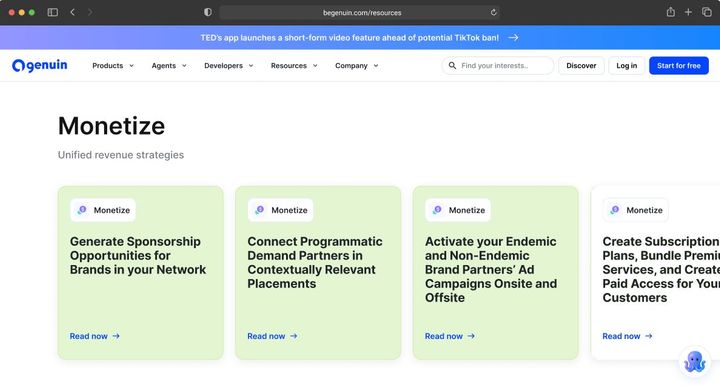
 turns inventory into revenue from six demand sources, reported in outcomes (revenue, attributed commerce, net margin) along the grid.
Read now Network
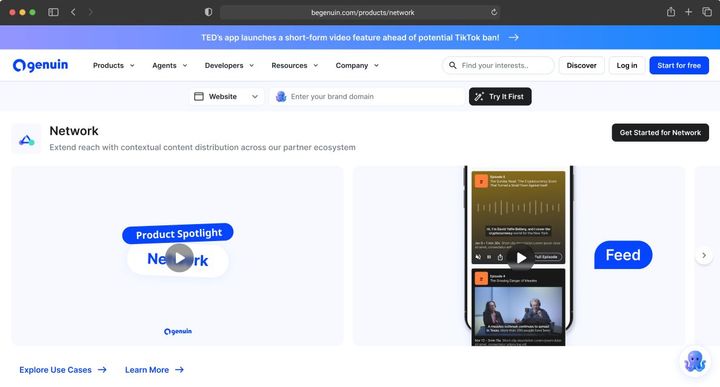
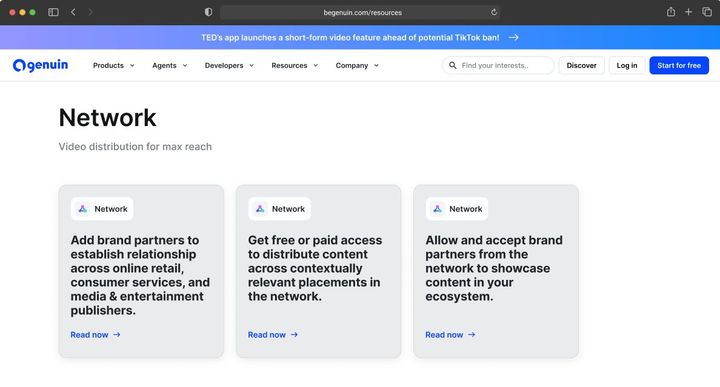
 is distribution: your content into partner placements, partner content into yours, and your brand run as a destination on partner inventory through Extended O&O.
Read now Controls
 governs who can do what, what content is allowed, and how inventory is described to buyers; every product reads its rules from here.
Read now Studio
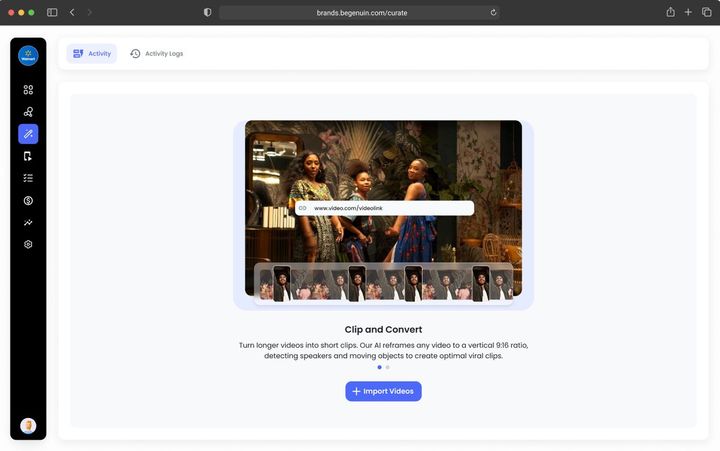
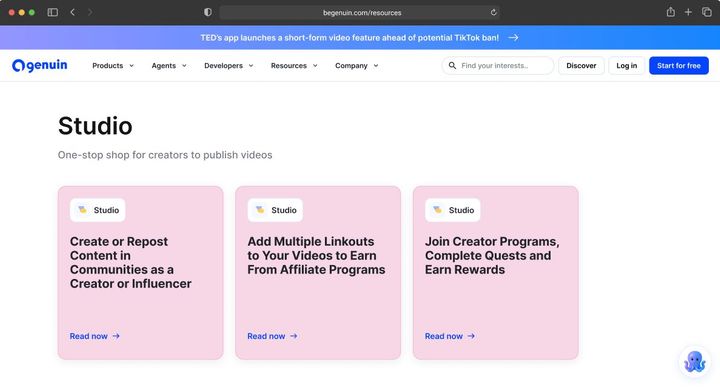
 and Canvas produce and operate: Studio turns sources into brand-ready vertical video; Canvas runs the network on a cadence with Growth and Monetization agent fleets.
Read now Octo
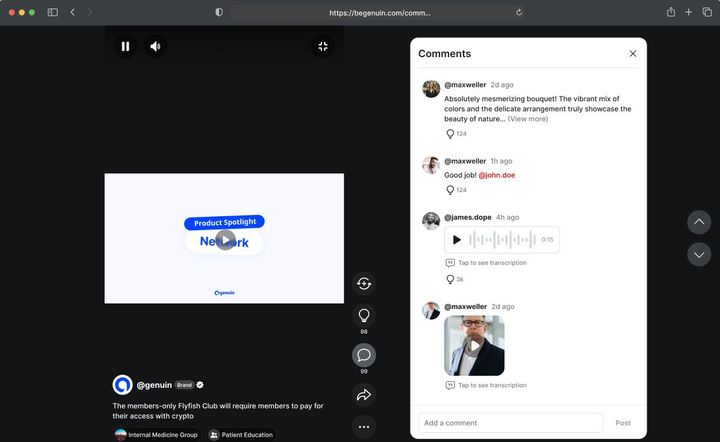
Octo is the AI layer: ask questions of your data, act across products, and resolve commerce intent in the player; Relevance OS and the Intelligence SDK are how its signals reach you.
Read now Marketplace
 is where packages are listed, discovered by buyers and AI buyer agents, purchased, delivered, and billed, with outcome forecasts on every listing.
Read now

